
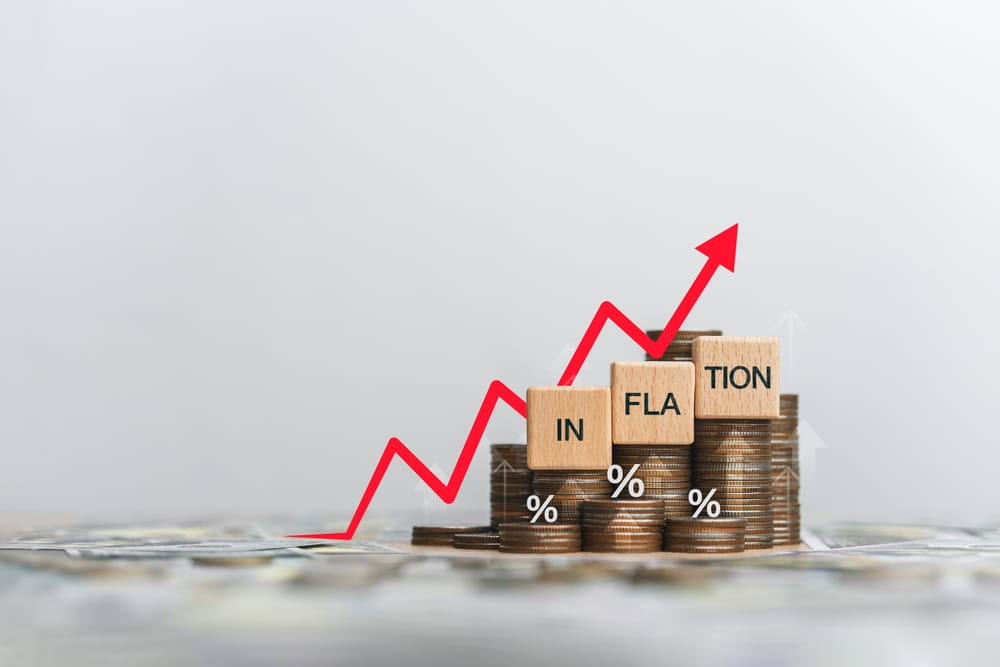
Few financial forces reshape retirement quite like inflation. While the steady rise in prices can seem subtle year-to-year, the long-term erosion of purchasing power can dramatically undercut even well-constructed retirement plans. Understanding how inflation impacts retirees—and learning actionable steps to protect your finances—are critical to building a secure future. Retire SMART specializes in helping families craft retirement income frameworks with strategies to address inflation’s risks, aiming to help you preserve both your lifestyle and your legacy.
Why Inflation Is One of the Biggest Threats to Retirement Savings
Inflation refers to the general increase in prices over time. What makes it particularly important for retirees is the way it can quietly reduce the value of fixed income and savings. Even moderate inflation can halve the real value of your nest egg over a 20- or 30-year retirement.
Here’s how inflation can threaten your long-term financial security:
- Declining Purchasing Power: If annual inflation averages 3%, your dollar loses about half its value in 24 years. That means goods and services, from groceries to health care, may cost much more down the road.
- Health Care Costs: Medical expenses often rise faster than overall inflation, requiring attentive planning as these costs may become a larger share of a retiree’s budget.
- Fixed Income Erosion: Pensions or annuities without inflation adjustments pay the same amount year after year, but those dollars buy less and less over time.
- Cost-of-Living Surprises: Daily expenses, home maintenance, travel, and taxes can all rise, sometimes unexpectedly, putting stress on retirement budgets.
- Uncertainty and Planning Risk: Because inflation is unpredictable, estimating your true future needs is difficult, increasing the risk of outliving your assets.
Inflation is therefore often called the “silent thief” of retirement wealth.
Why Traditional Savings Strategies May Fall Short
Many retirees expect their careful savings and initial income plans to shield them, but common approaches may leave you vulnerable to inflation’s impact.
- Fixed Income Reliance: Traditional reliance on pensions, CDs, or bonds with fixed payments may backfire. Without cost-of-living adjustments, the value of these payouts can decrease in real terms.
- Focus on Short-Term Needs: Saving and withdrawing with only immediate expenses in mind, without considering rising future costs, might leave you exposed.
- Low-Risk, Low-Growth Portfolios: A heavy shift into cash or short-term bonds can mean missing out on the long-term growth needed to outpace inflation. Too much conservatism can put real wealth at risk.
- Ignoring Health Care Inflation: Medical costs often increase faster than general inflation. Overlooking strategies such as Health Savings Accounts (HSAs) or supplemental insurance may challenge your ability to afford care.
- Infrequent Strategy Reviews: Static plans don’t adapt to changing inflation rates, so regular reviews can help manage evolving risks.
How to Protect Your Purchasing Power in Retirement
Proactive planning and a diverse mix of tools can help you address inflation risks in retirement.
Here are steps every retiree should consider:
- Diversify Income Sources: Include assets that adjust for inflation, such as Social Security (with annual COLAs), inflation-indexed annuities, and certain pension options. Layer these with withdrawals from growth-oriented investments.
- Invest in Growth Assets: Maintain exposure to stocks and equity mutual funds. Historically, equities have outpaced inflation over the long term, but these investments carry risk and may not always perform as expected.
- Consider Real Assets: Real estate, commodities, or Treasury Inflation-Protected Securities (TIPS) can rise in value with inflation and provide diversification.
- Review Withdrawal Rates Annually: Adjust your withdrawal rate based on market performance, inflation, and personal expenses, rather than relying on a fixed percentage each year.
- Use Health Savings Accounts (HSAs): If eligible, maximize HSAs. These offer tax-free withdrawals for qualified medical expenses and grow tax-free, providing a buffer against rising health costs.
- Explore Inflation-Protected Annuities: Some annuities offer payouts that increase with inflation or a cost-of-living index. Initial payouts may be lower, but inflation protection could add value over time.
- Model Different Inflation Scenarios: Work with a financial advisor to simulate retirement projections under varying inflation rates. Regularly revisiting these models helps keep your plan current.
- Stay Flexible: Build flexibility into your budget and portfolio. Be open to adjusting discretionary spending, reevaluating asset allocation, and considering new solutions as inflation evolves.
Build a Retirement Plan Designed to Address Inflation with Retire SMART
Navigating inflation in retirement isn’t about eliminating risk, but about managing it with adaptable strategies. At Retire SMART, our advisors focus on designing income frameworks intended to help address inflation and interest rate fluctuations.
With Retire SMART, you receive:
- Personalized Inflation Analysis: Assets, income sources, and spending are reviewed to identify inflation risks, with strategies suggested to address them.
- Dynamic Income Layering: We help you combine income sources—Social Security, retirement accounts, real assets, and annuities—to build a plan intended to adapt over time.
- Health Care Inflation Planning: We help you explore HSAs, supplemental insurance, and projected health care costs so you can prepare for future needs.
- Regular Review & Rebalancing: Markets and inflation rates change; our annual reviews offer a chance to update your plan.
- Education & Empowerment: Retire SMART advisors strive to make inflation planning understandable, so you stay informed and in control.
Conclusion
Inflation can challenge retirement security. With the right guidance, tools, and strategies—supported by ongoing education and annual reviews—you can take steps to help preserve your purchasing power. Consult with a qualified advisor to design a plan that’s responsive to inflation and other economic risks.
Important Disclosure
Disclosure: Investments and investment strategies discussed herein involve risk, and there is no guarantee that any strategy will be successful or achieve its objectives. Historical performance is not indicative of future results. All investing involves risk, including possible loss of principal. Consult with a qualified financial professional for advice tailored to your individual circumstances.